From Journal to Published Memoir: Writing Tips from Sheryl and Sandy James and Indeed Books
How does a memoir get written – from the first journal entry to the finished book on a shelf?
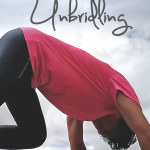
Sheryl and Sandy James, the mother and daughter behind the memoir Unbridling, joined Karina Szczurek and Kerry Hammerton of Indeed Books for a conversation about journaling, writing through difficult emotions, navigating the people in your story who are still living, and what it really takes to move from manuscript to published book.
It was a generous, collaborative discussion, and participants came away with both practical publishing advice and a renewed sense of permission to tell their own stories honestly. Below is the full replay, followed by a recap of the key takeaways – read on for tips you can start applying to your own writing today.
Watch the Replay: The Story behind Unbridling
How does a life become a book?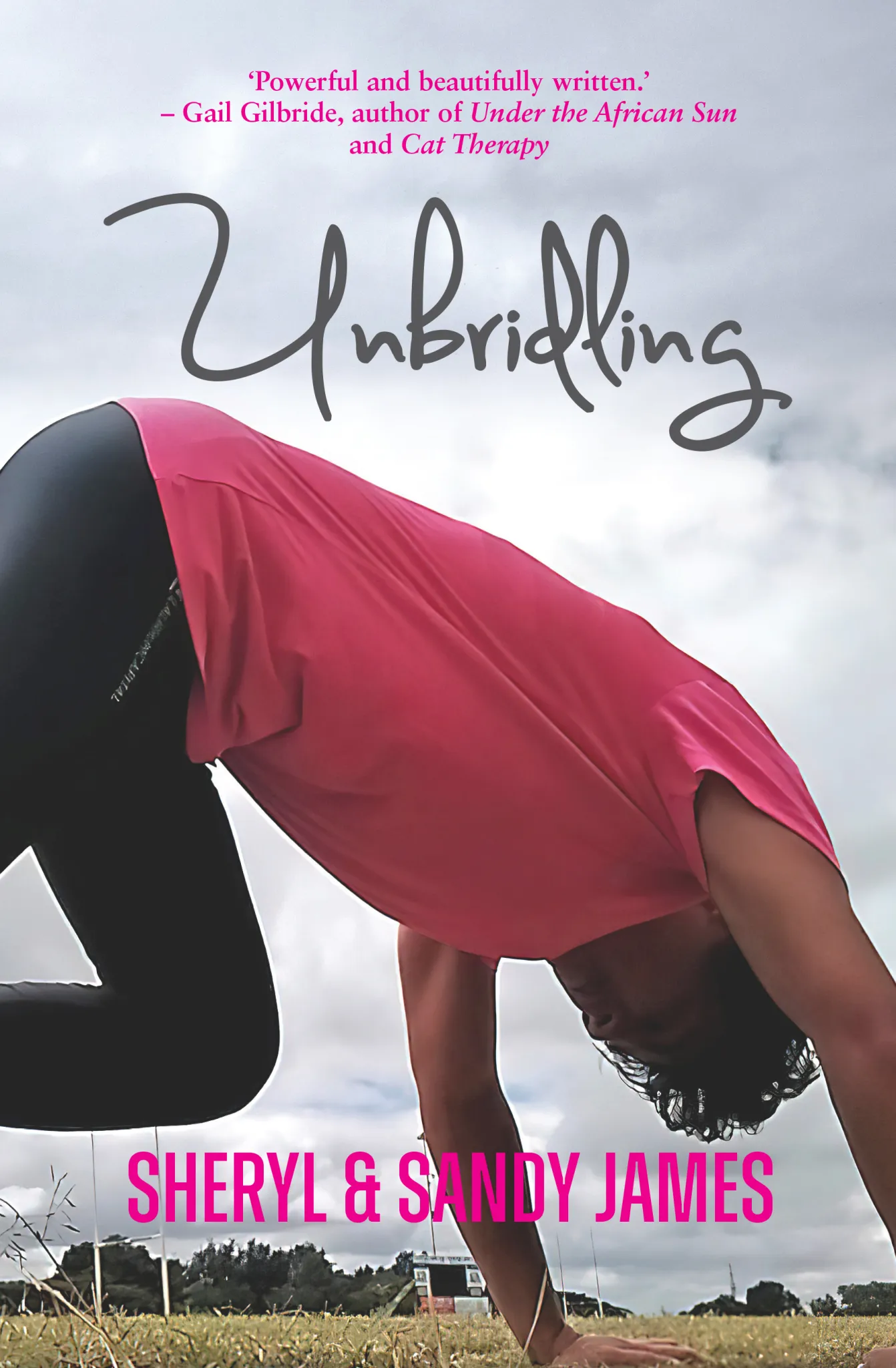
For memoir writers, the journey often starts long before the first chapter is drafted — sometimes in a notebook scribbled at night, sometimes simply carried, unwritten, in the heart. In a recent All About Writing webinar, we were joined by Sheryl and Sandy James, the mother-and-daughter authors of the memoir Unbridling, alongside Karina Szczurek and Kerry Hammerton of Indeed Books. Together they explored what it actually takes to turn lived experience into a published memoir — from the earliest journal entries, through the hardest passages to write, to the practical realities of editing, design and getting a book into bookshops.
It was a conversation full of warmth, honesty and genuinely useful advice. Here are the key insights.
Journaling: Writing It Down — or Writing It on Your Heart
Sandy and Sheryl approached journaling very differently, and both approaches fed into the finished book. Sheryl explained that most of her journaling wasn’t done on paper at all — it was, as she put it, written on her heart. When she did write things down, it was simply because putting words on paper changes how they land; it becomes a different kind of record.
Sandy’s journaling, by contrast, became increasingly meticulous over time. She had journaled casually for years — thoughts, prayers, things to get her through the day — but once Sheryl’s sporting journey began in earnest, something shifted. Sandy described a growing, almost urgent sense that this story was bigger than the two of them, and that the details needed to be retained: the crowds, the small moments, the texture of each day. That instinct to capture detail in the moment became invaluable later, when it came to shaping the book.
Writing Through Fear, Pain and Hard Emotions
Asked about the hardest things to put on the page, Sheryl reflected that there wasn’t one single moment — every story she shared carried both joy and cost, and the deeper emotions were often the most difficult to share with others, even if the writing itself came relatively easily. She described writing in the moment, as an expression of what she was going through, which made the process feel both hard and strangely natural.
For Sandy, the harder work came later, during the mentoring process that shaped the book. Much of what ended up in Unbridling — the emotional journeys between Sheryl and her brothers, the deeper context behind certain events — hadn’t been written down at all to begin with. Sandy spoke about the instinct, common to many parents, to project strength and not reveal the full extent of one’s fears. Sitting down to unpack those emotions properly, with guidance through the mentoring course, was confronting — but ultimately deeply therapeutic. As Sandy put it, the book wouldn’t speak as it does without those emotions being revealed.
Two Writers, One Story: Working Together (and Apart)
One of the most touching parts of the conversation explored how a mother and daughter wrote their shared story. Sheryl admitted she rarely re-read her own writing once it was down — she found it too hard, and simply handed it over to her mother to read. Sandy, in turn, described an organic process: Sheryl would wander into the office while Sandy worked, and Sandy would ask her to read a passage aloud, sparking comments and conversation. Sandy also took on the task of transcribing Sheryl’s handwritten pages onto the computer.
Through that process, both women discovered things about each other they hadn’t fully known before. Sheryl said she came to see her mother more fully as a person, not just as “mom”. Sandy spoke movingly about reading transcripts of Sheryl’s public speaking engagements — material that ended up woven into the book — and being repeatedly struck by how lucid and powerful a speaker her daughter had become, tracing all the way back to a childhood story about a school speech Sheryl refused to give because she had “nothing to say” about the assigned topic (and happily accepted a zero rather than fake interest).
Both also acknowledged that, while their memories of shared events weren’t wildly different, the emotional perspective of a parent versus a child telling the same story was genuinely distinct — and that talking it through together, again and again, was part of the process.
Inside Indeed Books: A Curated, Collaborative Approach to Publishing
Karina Szczurek, publisher at Karavan Press, explained how Indeed Books came about. Working with many authors over the years, she recognised that there were writers who were happy to self-publish but wanted guidance from people who understood the industry — without falling prey to the less reputable platforms that can take advantage of authors. Her aim was to create a platform that supports self-published authors while still curating carefully, so that the books are genuinely ready for bookshops and proper distribution.
Kerry Hammerton came on board after the two had worked closely together on various projects, and the partnership is built on a simple principle: both must love a story before they take it on. With Unbridling, Karina said, it was an absolute no-brainer — the inspiration of Sheryl and Sandy’s story, their voices, and their connection to community (including a particularly moving passage about the first time disabled children in their community were brought together for an event) made it an easy yes.
On what Indeed Books looks for more broadly, Kerry described it simply: stories people will genuinely enjoy reading, and writing that shows promise — even if a manuscript isn’t fully polished when it arrives, an experienced eye can recognise “that seed” worth developing. Their catalogue spans short stories, poetry, memoir and non-fiction, reflecting that it’s ultimately about the individual book rather than a fixed formula.
On the collaboration itself, Kerry explained that editing is done in-house, with one editor leading on a given book and the other providing support, depending on how much work a manuscript needs. For typesetting and design, Indeed Books works with a network of typesetters and designers, gets quotes, makes recommendations — but the author always makes the final decision. Kerry noted that the difference between a book that “looks self-published” and one that doesn’t often comes down to small, specific choices that aren’t secret, but simply require research most authors don’t have time to do themselves. That’s the expertise Indeed Books brings to the table.
Writing About People Who Are Still Alive — and Those Who Have Died
This question came up more than once during the session, including from Marianne, who couldn’t attend live and wrote in to ask how to navigate writing about people who are still part of your life. Sandy and Sheryl confirmed it was something they had to think through carefully — there were difficult episodes that didn’t make it into the book at all, and others that were generalised so as not to implicate anyone still living, while still communicating with the person concerned and ensuring they were comfortable with how they were represented.
Jo-Anne offered a guiding principle: the decision comes down to how integral an episode is to the story you’re telling. If it’s a tangent, it’s usually fine to leave it out. If it’s essential, “grit your teeth and put it down” — but there are ways to do that with care. Karina agreed, adding that one of the simplest techniques is to diffuse identifying details: if a story involves your one brother, for instance, it might become a story about “a cousin” instead — preserving the truth of what happened without exposing the real person. Karina also emphasised the importance of asking yourself why a particular story needs to be told, and, where the stakes are high, seeking advice from other writers, a mentor, a publisher — or, in some cases, a lawyer.
On writing about people who have died, Karina noted — with a wry acknowledgement of how it sounds — that the dead have no right to privacy, and you can’t defame someone who has passed away, which removes some of the legal complexity. Even so, both panellists agreed the same underlying questions still apply: how important is this to the story, and can it be told with integrity and care for the people who remain? Often, speaking to surviving relatives directly — explaining why a story matters and how someone will be portrayed — opens a way forward.
From Manuscript to Published Book: Practical Advice
Asked what they most wished writers understood about the road to publication, Kerry’s answer started with the writing itself: find a writing community, and if possible a mentor — because the quality of the writing, alongside the story, is what ultimately makes a book work.
Karina’s tip was refreshingly concrete: spend a few hours in a bookshop or library examining physical copies of books similar to the one you’re writing — whether memoir, poetry or essays. It’s a quick way to understand what your book needs to look like, and a good entry point for finding agents and publishers who work in your genre. She also shared a favourite trick: read the copyright and acknowledgements pages of books you admire. If a particular editor, proofreader or designer’s name keeps appearing in books you love, that’s exactly who you should be reaching out to.
Both authors also discussed how long the journey took: from the point of assembling chapters to the finished, printed book was around four years — which Karina confirmed is fairly standard for a memoir of this kind.
From the Chat
Attendees joined from across South Africa and beyond and the chat was full of warm appreciation and thoughtful questions. One participant, Frankie, shared that All About Writing had mentored her through her own book over five years, calling it “an incredible experience” she couldn’t have done without the team’s support. Others asked where to buy Unbridling (any good bookshop, particularly Wordsworths and Exclusive Books), how Indeed Books handles previously self-published manuscripts seeking a wider audience, and where to find publishers for an Afrikaans memoir — with Karina pointing to imprints under the Jonathan Ball/NB Publishers and Penguin Random House/LAPA groups as a starting point, alongside the advice to study comparable books and follow submission guidelines carefully.
Key Takeaways
- Journaling doesn’t have to be formal or even written down — what matters is capturing detail and feeling while they’re fresh, in whatever form works for you
- The hardest passages to write are often the most emotionally honest ones — and writing through them can be genuinely therapeutic
- If you’re co-writing a shared story, reading each other’s drafts (even out loud) can surface things you never knew about one another
- When writing about people who are still living, ask whether a detail is essential to the story — and consider diffusing identifying details if it isn’t
- Spend time physically examining books like the one you’re writing, and study copyright and acknowledgements pages to find collaborators
- A meaningful memoir can take years from first draft to finished book — that timeline is normal, not a sign you’re doing it wrong
Where to find Unbridling
Sheryl and Sandy’s memoir, Unbridling, is available from any good bookshop, and particularly Wordsworth Books and Exclusive Books.
 Want help getting your own book out to a wider audience?
If you’re curious about working with Indeed Books, or have questions about their submission process, Karina and Kerry are happy to be contacted via indeed-books.com.
If this conversation has stirred something in you — whether it’s a memoir you’ve been carrying for years, or simply the sense that your story matters and deserves to be told with care — we’d love to help you take the next step.
All About Writing offers courses, one-to-one mentoring, monthly writers’ circles and retreats designed to support exactly this kind of writing journey. Our free introductory Power of Writing Course is a good place to start, followed by our flagship Creative Writing Course.
Skills from the AAW Community: Bonnie Espie and Sally Andrew
We asked two recently published writers from the All About Writing community to share the skills they rely on most. Both have a note of hard-won honesty in their answers.
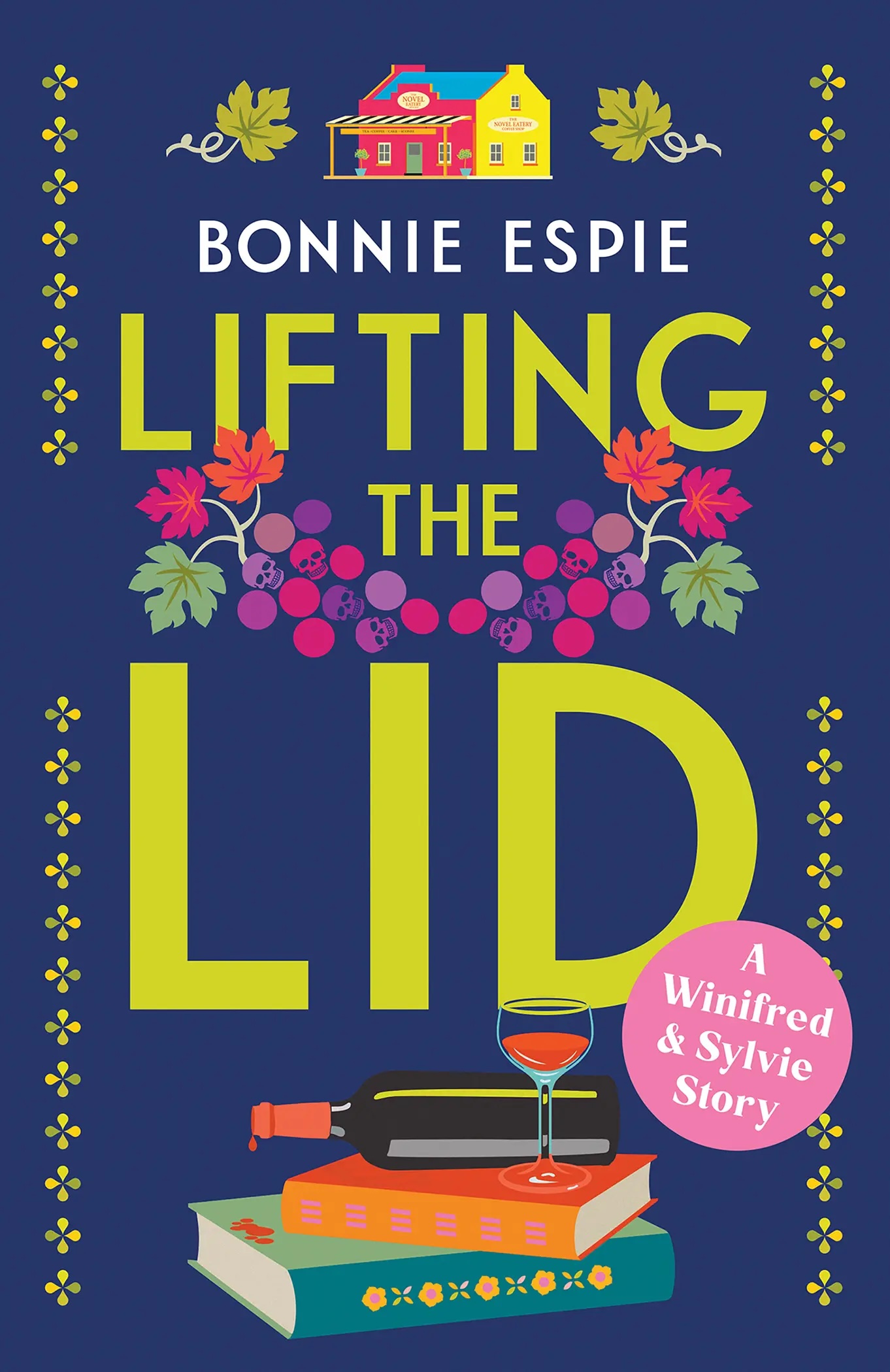 Bonnie Espie is the author of Lifting the Lid (Kwela, May 2026), a darkly comic crime novel set in a South African village — think sharp wit, layered characters, and secrets that refuse to stay buried. Bonnie offered her tips with characteristic candour: these are skills she knows matter because they’re the ones she has to keep an eye on herself.
- Be open to feedback. It often points to the invisible gaps — places where the writer has leapt ahead, but the reader hasn’t been given the steps to follow.
- Slow down. Don’t rush the writing process — take the time to fully develop scenes, ideas, and details so the reader can see the complete picture.
- Focus on specifics. Detail brings writing to life — don’t settle for ‘she lit a cigarette’; tell us which cigarette, how she smoked it, and what that reveals about her.
Buy Lifting the Lid here
Find out more through Bonnie’s website and social media
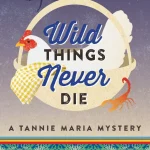
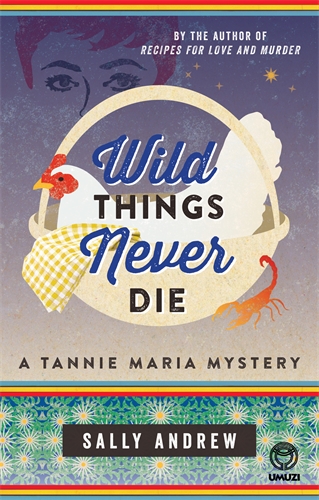 Sally Andrew is the author ofthe award-winning Tannie Maria mystery novels, the latest of which is Wild Things Never Die. Sally framed her three skills around a single idea: duality.
- Plan the structure well, and then allow flow. Strong scaffolding makes space for spontaneous, magical interiors.
- Separate the ‘hats’ of playful creator and discerning editor — don’t wear them both at the same time.
- Do thorough background research, but then resist the urge to over-explain something just because you spent hours learning about it.
Buy Wild Things Never Die here
Find out more through Sally’s website or Instagram
What Participants Took Away
The chat was active throughout, with writers from across South Africa, Namibia, the UK and the US sharing questions and reflections. A few highlights: discussion of how to handle multiple narrators and whose perspective carries the most weight; a debate about fantasy and detail (Richard’s point: the more extravagant the fantasy, the more important it is to get the small, ordinary details right); and the question of scene structure versus organic writing — with Jo-Anne’s gentle caution that scenes written in isolation are almost always going to require significant revision once the full arc becomes clear.
Want to go further?
- Join our ten-week Creative Writing Course with Jo-Anne Richards and Richard Beynon — starting Thursday 21 May. Sign up or find more information here.
- Explore writing retreats in Barrydale, Stow-on-the-Wold, and Venice
- Browse our full range of courses and one-to-one mentoring at www.allaboutwritingcourses.com

Connect with Joanne and Merle
If you watch the webinar or read this guide, we’re confident you’ll be inspired to explore the memoirs that emerged from this coming together of courage and craft. Joanne Hichens’ Death and the After Parties and Merle Levin’s The World According to Merle are excellent examples of what happens when writers give themselves permission to tell their truth—and trust that their stories matter to others walking similar paths.
Joanne: Website, Short Sharp Stories, Instagram, Facebook and Facebook Author Page
Merle: Website, Instagram and Facebook
Ready to Make 2026 Your Best Writing Year?
Whether you’re just starting your writing journey or working on your next manuscript, All About Writing offers the support and guidance you need to achieve your goals.
Start every week with writerly inspiration by signing up for Richard’s Monday Writing Motivations.
Creative Writing Course – Our comprehensive 10-week live course (starting 22nd January) takes you from the fundamentals of storytelling through to crafting compelling narratives. You’ll learn essential skills in character development, plot structure, dialogue, and revision – all whilst receiving feedback on your work and connecting with fellow writers. Sign up here
One-to-One Mentoring – Working on a novel, memoir, or larger project? Our experienced mentors provide personalised guidance tailored to your specific manuscript and goals. Regular sessions help you maintain momentum, work through challenges, and develop your craft whilst bringing your project to completion. More information here
Writers’ Circle – Join our supportive monthly community where writers share work, receive constructive feedback, and benefit from the collective wisdom of the group. It’s the accountability and encouragement many writers need to keep showing up at the page. Join here
Writing Retreats – Immerse yourself in your writing whilst exploring inspiring locations. Join us in the tranquil Karoo at our Barrydale retreat, experience the charm of the English countryside in Stow-on-the-Wold, or find creative inspiration in the romantic canals and literary history of Venice. These retreats combine dedicated writing time, expert workshops, and the opportunity to connect with fellow writers in beautiful, distraction-free settings. There’s something transformative about stepping away from daily life to focus entirely on your craft.
Free Monthly Webinars – Don’t miss our monthly webinars where we explore essential writing topics, answer your questions, and build a community of committed writers.
Whatever stage you’re at in your writing journey, the key is to start now. Make those writing appointments, focus on one project, and surround yourself with a community that understands the challenges and celebrates the victories. Your story deserves to be written—and we’re here to help you do exactly that.
If you’re not sure exactly what’s right for you, why not test the waters with our free Power of Writing Course or email Trish to discuss your writing project and how we can best help you achieve your goals.