Writing a Thriller or Crime Series: Key Insights from Tony Park and Bonnie Espie
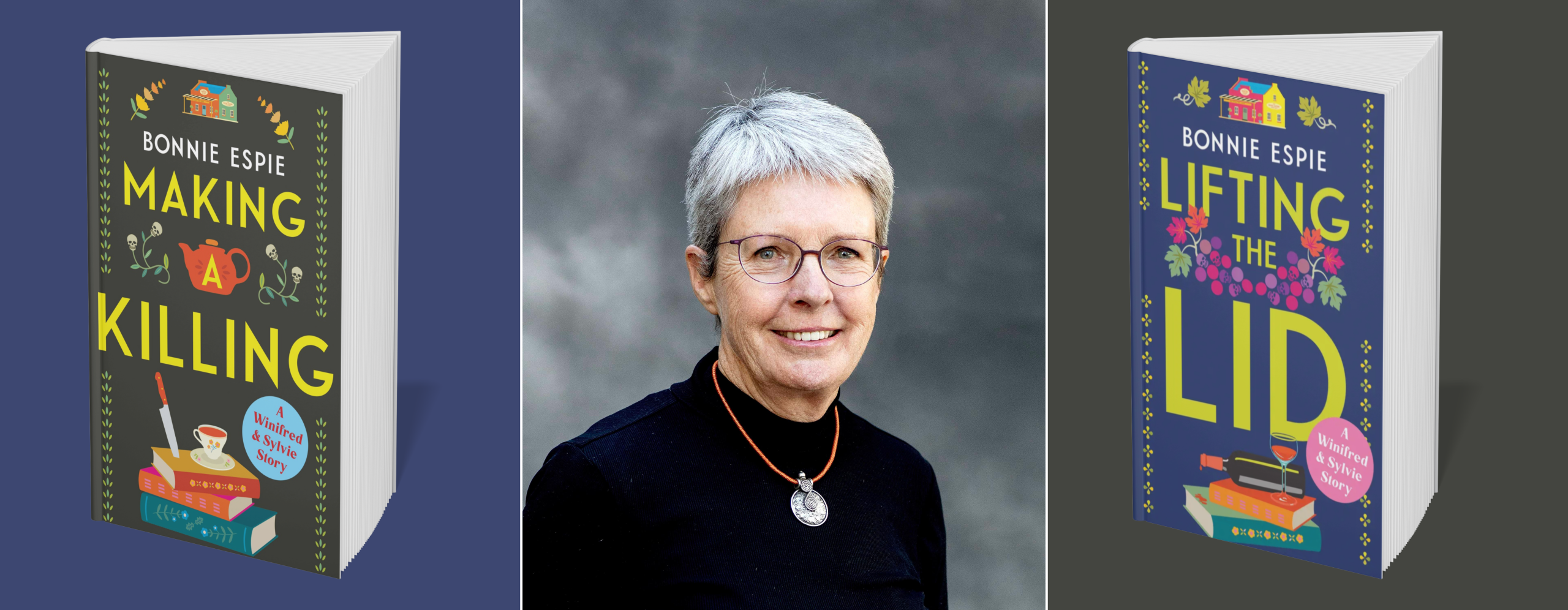
All About Writing hosted a warm and wide-ranging conversation with two of southern Africa’s favourite storytellers. Tony Park, author of the bestselling Sonja Kurtz thriller series, and Bonnie Espie, author of the Winifred and Sylvie mystery series, joined me to talk about their brand-new releases – King of Beasts and Lifting the Lid.
Together they explored where their story ideas really come from, how they found their characters’ voices, the particular headaches of writing a series, and the long and winding road to getting published. It was honest, funny, and full of the kind of practical detail that only comes from writers who’ve done the work many times over. Watch the full replay below.
Watch the Replay: Writing a Thriller or Crime Series
Two Ways to Win with Tony Park and Bonnie Espie
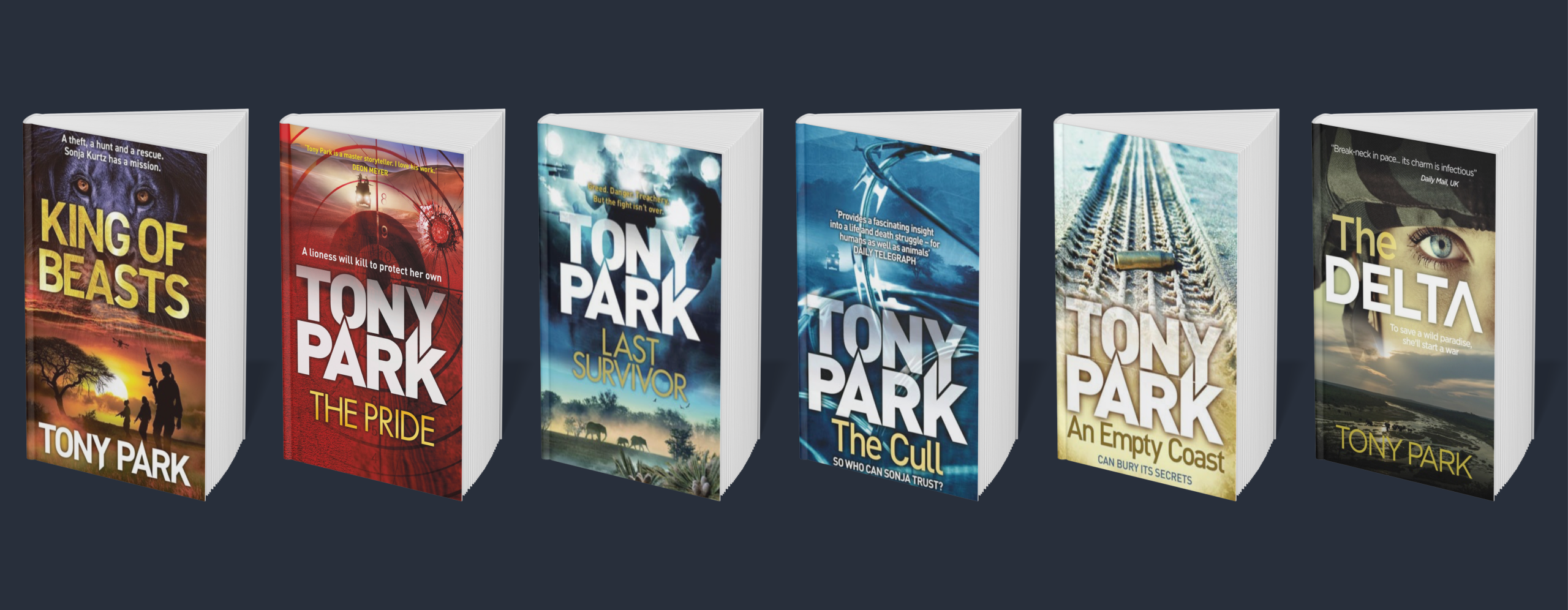
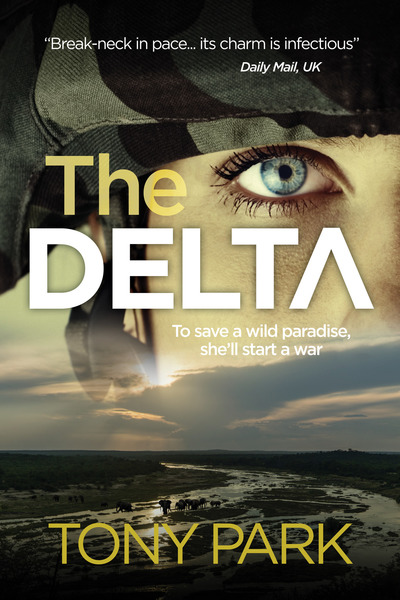 As a thank you for watching, Tony Park is giving away a free ebook copy of The Delta, the first book in his Sonja Kurtz series. Set in Botswana’s Okavango Delta, it’s got action, adventure, romance and Africa.
Follow this link to sign up and for instructions on how to download your free ebook to any ereader.
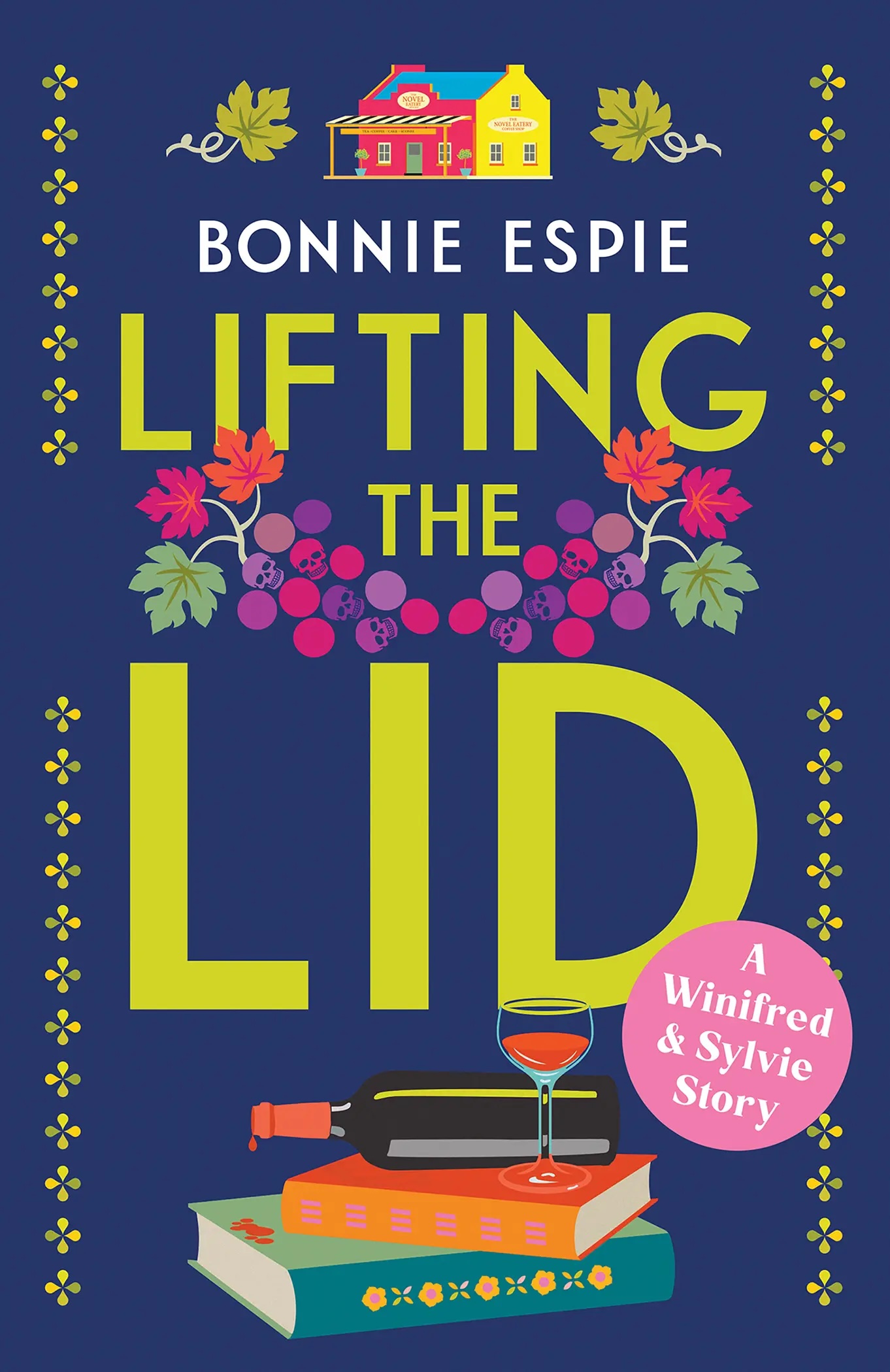 And from Bonnie Espie
Let’s Lift the Lid on your Freezer Secrets:
Wins & Sylvie are scouting for some spare freezer space for their not-so-legal side hustle. Have you got space to spare?
Tell her in the comments on her Instagram or Facebook posts what’s in your freezer and you could WIN a signed copy of Lifting the Lid.
*Bonnie’s giveaway is open to South African citizens aged 18 and over. Courier included to an address within South Africa. Entries close 31 July 2026. One winner will be chosen from the comments.
Insights from Tony Park and Bonnie Espie on what it takes to build a thriller or crime series readers keep coming back to, book after book?
Between them, Tony and Bonnie represent two very different corners of the genre — Tony’s high-stakes African thrillers built around poaching, trafficking and international intrigue, and Bonnie’s small-town, comic take on cosy crime, complete with a body and a blackmail note on page one. But the craft questions they wrestled with on the night — how to plot a crime, build a believable antagonist, and keep tension alive across multiple books — were strikingly similar.
Between them, they’ve also navigated nearly every path a writer can take to publication: traditional deals, hybrid publishing, self-publishing, rewrites and rejection. Here are the key insights from their conversation.
Meet Sonja Kurtz and Winifred & Sylvie
Tony’s Sonja Kurtz is a Namibian-born woman of German descent, now in her fifties, who grew up on a farm in Namibia and later in Botswana’s Okavango Delta. After a spell in the British Army – part of a real-life unit that trained women to operate undercover during the Troubles in Northern Ireland – she became a private military contractor. Six books on, King of Beasts finds her helping to manage a private game lodge in the South African Lowveld while her daughter, on an archaeological dig in Ukraine, is captured by a Russian soldier of fortune who is himself heading to South Africa to hunt an endangered white lion.
Bonnie’s Winifred and Sylvie are a far more unlikely pairing: Winifred, having fled Johannesburg for a small Western Cape village, wants only to open a bookshop café. She partners with the local, larger-than-life Sylvie — and on the day of their launch, the pair find a body. Lifting the Lid, the second in the series, sees them keeping a much darker secret firmly under wraps.
Where Do Story Ideas Actually Come From?
Both authors were clear: you don’t need to go hunting for an idea. Tony described how King of Beasts began with a documentary habit – he watches a great deal of military history and archaeology footage – and a news story about archaeologists working close to the front line in Ukraine after floodwaters revealed a medieval site. From there, one detail led to another: a South African fighting for Ukraine, then reports of African recruits being drawn into the conflict. “You can’t make this stuff up,” he said. “That’s why I love writing contemporary African fiction – you don’t have to try too hard to find something interesting.”
The original spark for Sonja herself came years earlier, from a chance conversation with an elderly man having his Land Rover serviced, who mentioned he’d once worked as a mercenary in the Congo. A subsequent read of Eeben Barlow’s account of the private military company Executive Outcomes – which noted a number of women from the old South African Defence Force wanting to join as mercenaries — gave Tony his central character.
Bonnie’s inspiration was closer to home. Her move from Johannesburg to a small Western Cape village, intending to finish a novel she’d been writing for four years, became the seed of the entire series. Small, specific details from that new life – walking home alone late at night, a flood, the particular texture of village life – found their way directly into the books.
 Finding Your Characters’ Voice
Bonnie’s first draft of the Winifred and Sylvie books was rejected by an early reader who felt it read as though it should be set in the UK. The fix was a full rewrite: relocating Sylvie’s character firmly in the Western Cape, giving her an Afrikaans-inflected voice and sense of humour. “That’s really, I think, when the magic started to happen,” Bonnie said – the distinctive comic tension between uptight Winifred and free-spirited Sylvie only emerged once the setting and language were authentically South African.
Tony’s Sonja began as a far more self-assured character, drawn from women he served alongside in the Australian Army. Over six books, she’s grown and regressed in equal measure – working through relationship troubles, post-traumatic stress, and a complicated relationship with her now-adult daughter. “Write about what you know,” he said, “is as much about your relationships and how your life has carried on as it is about what you’ve actually done.”
What Drives a Crime or Thriller Plot?
Tony was candid that he doesn’t plot in the traditional sense – he builds each book around what he called an “environmental issue”: abalone poaching, rhino trophy hunting, the trafficking of endangered species, or, in King of Beasts, a Russian soldier of fortune blackmailing Sonja while he hunts an endangered white lion. The crime, in other words, comes first, and the story is built to explore it. Real-world detail does the rest of the work – Tony described how the news itself handed him plot points as he wrote, from African recruits fighting in Ukraine to a real ship allegedly linked to arms shipments through Cape Town harbour.
Bonnie’s crime plot works from the opposite direction – she starts with character and situation (two unlikely business partners, a body on opening day) and lets the mystery and its consequences unfold from there. What both approaches share is a clear antagonist or threat driving events forward: for Tony, a trafficker or gangster; for Bonnie, a blackmailer whose note, cut from newspaper headlines, opens the whole series in earnest.
The Series Question: Continuity, Boredom, and Keeping It Fresh
Both writers admitted to losing track of details across a series. Bonnie described merging characters after early feedback that book one had too many, and bringing a minor character back from the brink after readers asked for him by name. Tony confessed to forgetting his own character’s tattoo and having to track down an old paperback copy of his first book to check the details – his one piece of practical advice: keep notes, even if you’re not a plotter.
On boredom, both agreed that the story itself is the best defence. Tony’s approach is to give each book a fresh or topical hook – abalone poaching, the war in Ukraine – so that the premise, not the character, drives each new instalment. Bonnie’s advice was similar: when she found herself avoiding a scene in her current work-in-progress, pushing through it (and letting herself have fun with it) reignited her enthusiasm for the whole book.
Should You Write a Series? Tony’s Advice for Book One
Perhaps the most practical piece of advice from the evening: don’t set out to write a series. Tony’s own books were only ever conceived one at a time – The Delta was written as a standalone, and it was years before he returned to write a second Sonja Kurtz book. His advice to any writer hoping their first novel might become a series: write it as though it will be the only one. Give it a proper ending. “Do not, absolutely do not,” leave readers on a cliffhanger with no guarantee of a second book – a publisher may never pick it up, and readers who feel cheated by an unresolved ending are unlikely to come back.
 Can You Use Current Events in Fiction?
Asked whether writing a series makes it risky to reference real-world events, Tony was unambiguous: yes, use them – just make sure the story can survive being read months or years after it’s written. He pointed to his own backlist, including a book set during Zimbabwe’s hyperinflation years, which continues to sell well despite being unmistakably a product of its time. The lesson: readers forgive dated detail if the story itself holds up.
Setting as Accomplice: Why Location Matters
For Tony, setting isn’t backdrop – it’s central to the genre, and central to why readers pick up his books in the first place. Many of his readers are drawn to the books because of where they’re set, not despite it, and getting a location detail wrong risks breaking trust with precisely those readers. He writes wherever he happens to be, drawing on the landscape, the people, and the language around him, and takes as much care getting a location detail right as he does any other element of craft.
Bonnie’s fictional village works almost like a co-conspirator in her crime plots – deliberately never named, but built entirely from the texture of her own life since relocating from Johannesburg. A small, closed community where everyone knows everyone is, as any crime writer will tell you, fertile ground for secrets: proof that you don’t need a real place, only a truthfully observed one.
The Long Road to Publication
Bonnie’s traditional publishing journey included a request to substantially rework her manuscript in just six weeks, and the long, often frustrating wait for a publisher’s decision that she described as “a lesson in patience.” Tony’s path has been more unconventional: traditionally published in South Africa and Australia through Pan Macmillan, but self-published internationally as an ebook through BookFunnel – a model that gives him a far greater share of each sale in markets where his readership, while smaller, is loyal. His advice to newly published authors: think carefully before signing away worldwide rights, since no literary agent would ever recommend giving them up.
Key Takeaways
- A strong crime or thriller plot often starts with the issue or threat at its centre – poaching, trafficking, a body, a blackmail note – rather than a fully worked-out plot.
- Real-world events and news stories can hand you plot points directly – pay attention to what’s already around you.
- Character voice sometimes only emerges after a full rewrite – don’t be afraid to start again if it isn’t landing.
- If you hope to write a series, write book one as a standalone with a proper ending, in case there’s never a book two.
- Keep some kind of record of your characters’ details – you will forget things, even about characters you’ve lived with for years.
- Setting can work almost like an accomplice in crime fiction – a well-observed location does real narrative work, not just decoration.
- There’s no single right way to publish – traditional, hybrid and self-publishing all have real trade-offs worth understanding.

Connect with Joanne and Merle
If you watch the webinar or read this guide, we’re confident you’ll be inspired to explore the memoirs that emerged from this coming together of courage and craft. Joanne Hichens’ Death and the After Parties and Merle Levin’s The World According to Merle are excellent examples of what happens when writers give themselves permission to tell their truth—and trust that their stories matter to others walking similar paths.
Joanne: Website, Short Sharp Stories, Instagram, Facebook and Facebook Author Page
Merle: Website, Instagram and Facebook
Ready to Make 2026 Your Best Writing Year?
Whether you’re just starting your writing journey or working on your next manuscript, All About Writing offers the support and guidance you need to achieve your goals.
Start every week with writerly inspiration by signing up for Richard’s Monday Writing Motivations.
Creative Writing Course – Our comprehensive 10-week live course (starting 22nd January) takes you from the fundamentals of storytelling through to crafting compelling narratives. You’ll learn essential skills in character development, plot structure, dialogue, and revision – all whilst receiving feedback on your work and connecting with fellow writers. Sign up here
One-to-One Mentoring – Working on a novel, memoir, or larger project? Our experienced mentors provide personalised guidance tailored to your specific manuscript and goals. Regular sessions help you maintain momentum, work through challenges, and develop your craft whilst bringing your project to completion. More information here
Writers’ Circle – Join our supportive monthly community where writers share work, receive constructive feedback, and benefit from the collective wisdom of the group. It’s the accountability and encouragement many writers need to keep showing up at the page. Join here
Writing Retreats – Immerse yourself in your writing whilst exploring inspiring locations. Join us in the tranquil Karoo at our Barrydale retreat, experience the charm of the English countryside in Stow-on-the-Wold, or find creative inspiration in the romantic canals and literary history of Venice. These retreats combine dedicated writing time, expert workshops, and the opportunity to connect with fellow writers in beautiful, distraction-free settings. There’s something transformative about stepping away from daily life to focus entirely on your craft.
Free Monthly Webinars – Don’t miss our monthly webinars where we explore essential writing topics, answer your questions, and build a community of committed writers.
Whatever stage you’re at in your writing journey, the key is to start now. Make those writing appointments, focus on one project, and surround yourself with a community that understands the challenges and celebrates the victories. Your story deserves to be written—and we’re here to help you do exactly that.
If you’re not sure exactly what’s right for you, why not test the waters with our free Power of Writing Course or email Trish to discuss your writing project and how we can best help you achieve your goals.